November 4, 2026
Maintaining independence can make a meaningful difference in everyday life. For individuals who experience limited mobility, fatigue, or difficulty walking longer distances, appropriate equipment can make daily activities more accessible. From visiting family and friends to completing errands, having the right mobility support can help people remain involved in the activities that matter to them.
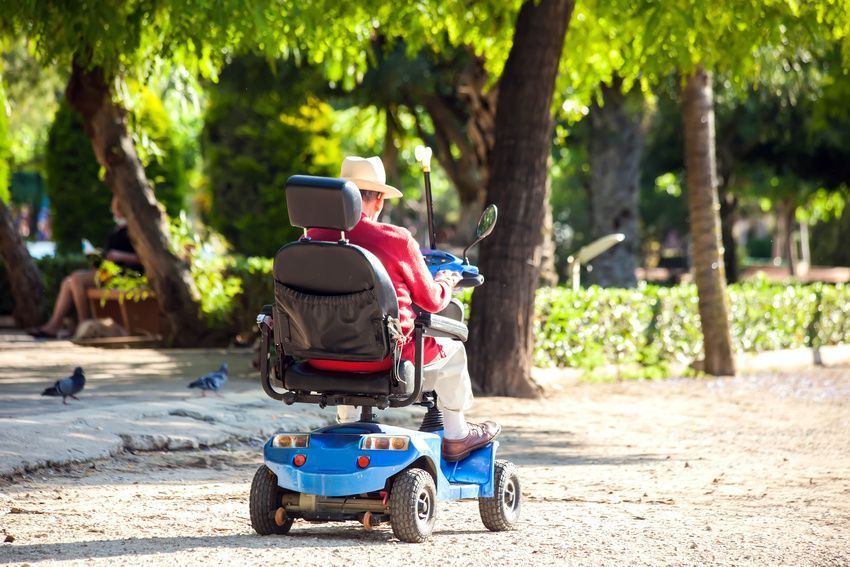
A mobility scooter can provide a practical way for individuals to travel through suitable indoor and outdoor environments without relying entirely on walking. Depending on the model and individual needs, mobility equipment can support trips to shops, parks, and community events. Comfort, ease of operation, and intended use are important factors. Considering personal preferences, physical needs, and daily routines helps individuals and families make informed decisions about suitable mobility solutions.
Understanding the Benefits of Greater Mobility
Moving comfortably through everyday environments can influence how people manage their schedules and participate in activities they enjoy. When walking becomes tiring or difficult, even routine outings may require additional planning. Suitable mobility equipment can help reduce some of these barriers and make it easier to remain involved in daily life.
For example, someone who enjoys visiting local shops may appreciate having an alternative to walking through large stores. Another person may find it easier to attend community events or spend time with family when traveling longer distances requires less physical effort. These opportunities can support social participation without requiring individuals to avoid activities because of mobility challenges.
A mobility scooter may also help users manage their energy throughout the day. Instead of using much of their energy walking across a large venue, they may be able to reserve more energy for conversations, shopping, or other activities. The benefits depend on individual endurance, equipment features, and the environment in which the device is used.
Greater independence looks different for everyone. Some people prioritize outdoor recreation, while others value easier access to appointments, shopping, or family visits. Identifying the activities that matter most can help individuals focus on equipment features that support their everyday goals.
Choosing Equipment That Prioritizes Comfort
Comfort is an important consideration when selecting mobility equipment, particularly for individuals who expect to use it for extended periods. Seat support, legroom, steering controls, and the position of the user's hands can all affect the overall experience. Equipment should accommodate the user's needs without requiring uncomfortable positioning or difficult movements.
Seat design is important, as individuals may have different preferences for cushioning, back support, seat width, and ease of access. Those with postural or medical concerns may benefit from consulting a qualified healthcare professional about appropriate seating features. Control placement also matters, particularly for individuals with limited hand strength or dexterity.
Demonstrations from experienced equipment providers can clarify how controls work and whether a model suits the user. Storage and transportation needs should also be considered, including vehicle compatibility, available storage space, and charging requirements, to help ensure the equipment fits everyday routines.
Matching Equipment to Everyday Activities
The most suitable equipment depends partly on where and how it will be used. Someone who primarily navigates indoor spaces may have different requirements from someone who regularly travels outdoors. Turning space, surface conditions, travel distance, and access to charging facilities can all influence which features deserve attention.
Indoor environments may include narrow aisles, doorways, elevators, and crowded rooms. In these settings, equipment dimensions and turning capability can be especially important. A model that fits comfortably through intended spaces may offer greater convenience than a larger option designed for different surroundings.
Outdoor use introduces additional considerations. Sidewalk conditions, uneven surfaces, slopes, and weather can affect the suitability of particular models. Users should follow manufacturer guidance about approved surfaces, operating conditions, and equipment limitations. A model intended for smooth indoor flooring may not be appropriate for every outdoor environment.
A mobility scooter should also match the user's typical travel requirements. Battery range, weight capacity, portability, and charging needs can influence whether a particular model is practical. Reviewing regular destinations and expected travel distances can help individuals compare available options more effectively.
Supporting Independence at Home and in the Community
Independence often involves having greater control over how everyday activities are completed. Mobility equipment can help some individuals manage outings with less reliance on others for every stage of movement. This may support personal choice, confidence, and participation in routines that contribute to a fulfilling lifestyle.
Home accessibility remains an important consideration. Doorway widths, turning areas, floor surfaces, storage space, and convenient charging locations can influence how easily equipment fits into a household. Families may need to evaluate whether intended routes are clear and whether the home layout accommodates the equipment appropriately.
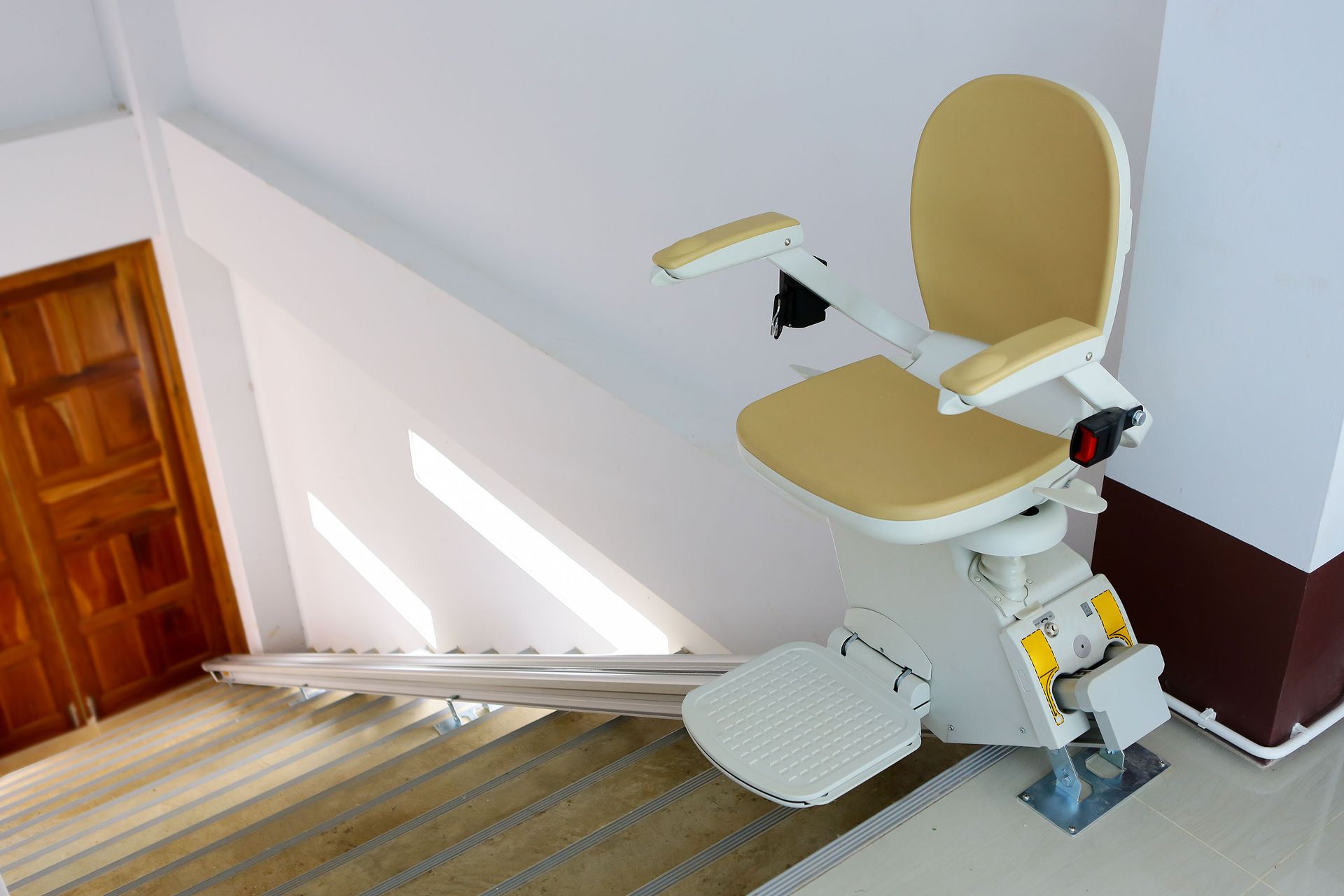
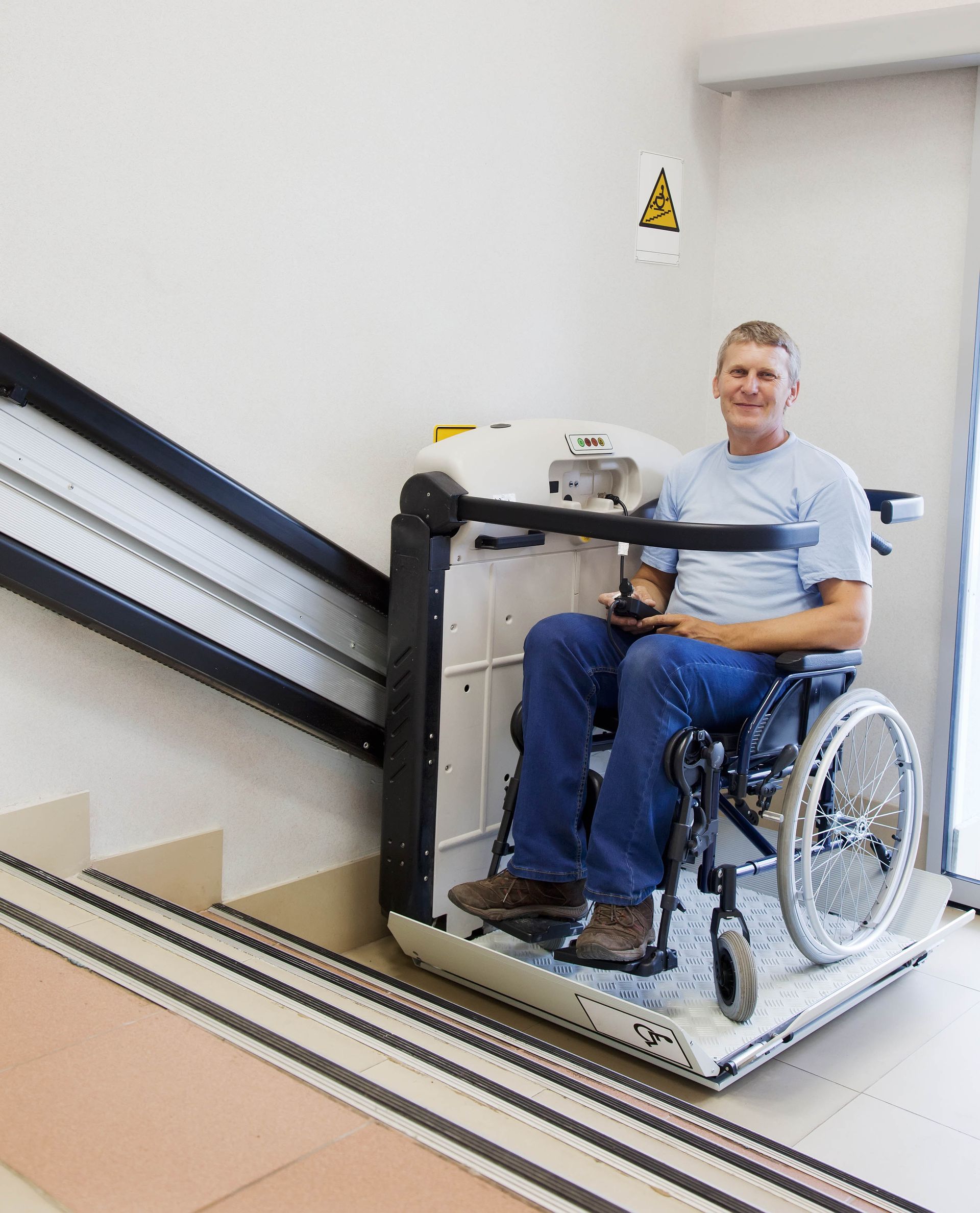
Research into home accessibility reflects a broader interest in helping people remain comfortable in familiar surroundings. According to Fortune Business Insights, residential settings account for 68% of the stair lift application market, as older adults and multigenerational families invest in home modifications that support aging in place and reduce the need to move. Although stair lifts and scooters serve different purposes, both can form part of a broader conversation about supporting mobility and independence at home.
Prioritizing Safety and Ease of Operation
Feeling comfortable with mobility equipment includes understanding how to operate it safely. Before regular use, individuals should become familiar with the controls, braking system, speed settings, battery indicators, and other features described in the manufacturer's instructions. Guidance from a knowledgeable equipment provider can help users understand how the equipment responds during ordinary operation.
The intended environment should influence safety decisions. Crowded walkways, steep slopes, wet surfaces, and uneven pavement can create challenges depending on the model's capabilities. Users should observe applicable rules, travel at appropriate speeds, and avoid conditions outside the manufacturer's recommendations.
Visibility is another consideration, particularly when traveling outdoors or in busy public areas. Appropriate lighting and reflective features, when available, may help others notice the equipment. Users should remain attentive to pedestrians and obstacles and take extra care when crossing driveways or navigating areas with limited visibility.
Battery care and routine equipment checks also support reliable use. Following manufacturer instructions for charging, storage, and maintenance can help users understand how to care for their equipment. If a battery, control, tire, or other component appears damaged or does not function as expected, qualified service support can help determine what attention is needed.
Planning for Changing Mobility Needs
Mobility requirements can change as routines, physical abilities, living arrangements, and personal priorities evolve. Equipment that works well for occasional shopping trips may not meet the needs of someone who begins traveling longer distances or using mobility support more frequently. Periodic reassessment can help individuals determine whether their current equipment remains suitable.
Choosing a mobility scooter requires consideration of both present needs and foreseeable changes. Someone planning to travel more often may prioritize battery range and transportation arrangements. Another person may place greater emphasis on seating comfort, accessible controls, or navigating familiar indoor spaces. These priorities can guide discussions with equipment providers.
Home accessibility may require adjustments as needs change. Clear pathways, accessible entrances, suitable storage, and convenient charging locations can simplify daily use. Family members and caregivers can offer helpful observations, but the intended user should remain central to decisions to ensure equipment respects personal preferences and independence.
Comparing equipment can be challenging when models vary in size, features, travel range, and operating requirements. Professional guidance can help identify suitable options based on daily routines, accessibility needs, and budget. Providers can explain portability, storage, rental arrangements, repairs, maintenance, warranties, and replacement parts. For additional support, a qualified healthcare professional may offer advice about individual capabilities, comfort, and postural concerns.
Greater comfort and freedom begin with understanding what makes daily life easier for each individual. With careful consideration of equipment features, personal priorities, and safety requirements, people can explore options that support meaningful participation in everyday activities, including whether a mobility scooter may suit their needs.
Med X Change LLC offers mobility equipment, rentals, repairs, and personalized assistance to help customers explore suitable solutions for their needs. Contact Med X Change LLC to learn more about available products and contact the team for help finding the right mobility support.