October 18, 2026
Maintaining an independent lifestyle becomes more challenging when mobility limitations make everyday activities difficult. For people who struggle with stairs, moving between floors can create safety concerns and restrict access to important areas of the home. A stair lift offers a practical way to navigate these challenges, helping individuals remain comfortable in familiar surroundings while preserving their independence. With the right mobility solution, homeowners can continue enjoying their living spaces without making unnecessary compromises to their daily routines.
Improving Access to Every Level of the Home
A multilevel home can become difficult to navigate when climbing stairs requires considerable effort or causes discomfort. Bedrooms, bathrooms, laundry rooms, and other essential spaces may be located on different floors, making routine activities more complicated for individuals with limited mobility. Over time, difficulty accessing these areas can affect how comfortably someone can live at home.
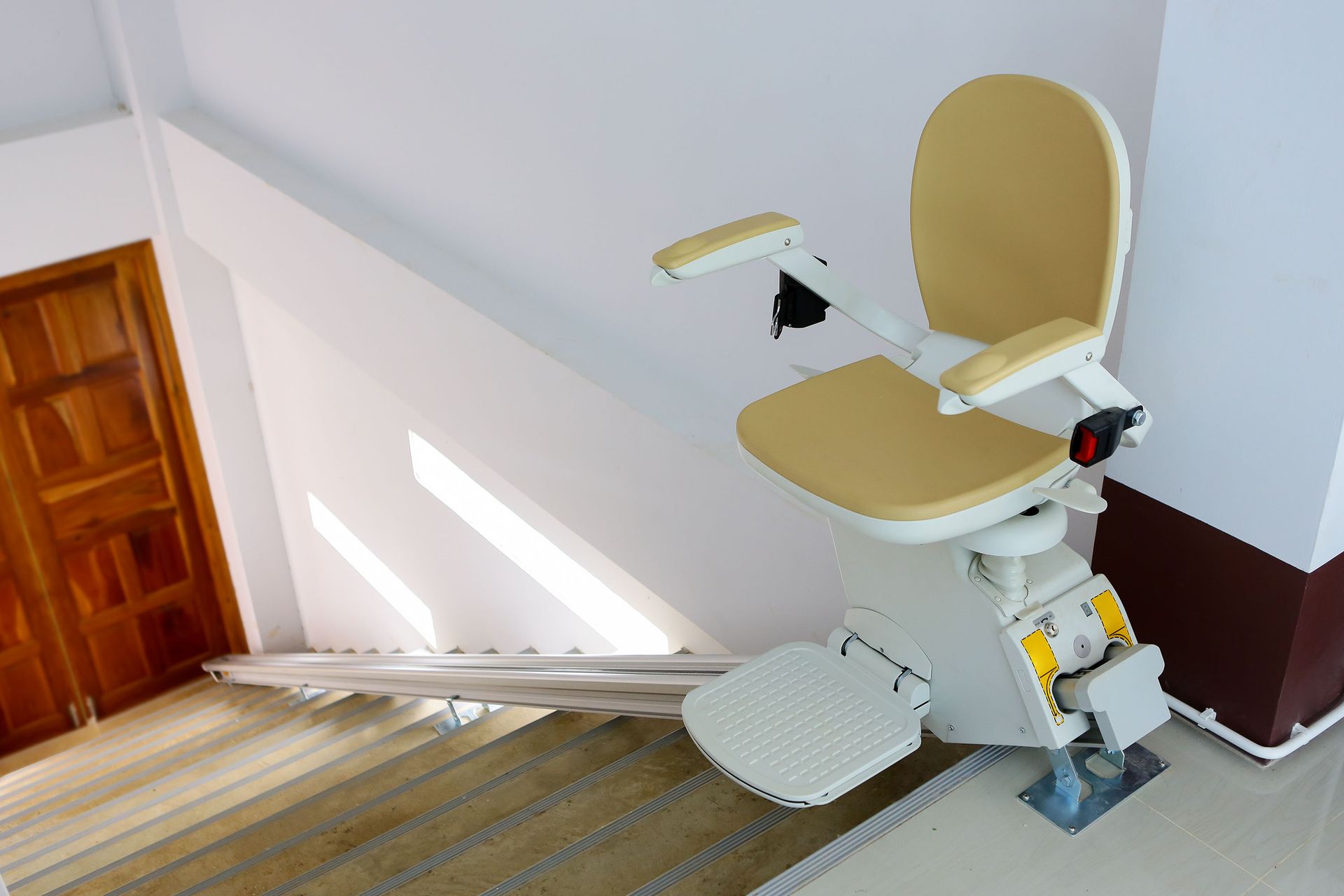
A stair lift provides a convenient way to travel between floors without repeatedly climbing or descending steps. The motorized seat moves along a rail installed beside the staircase, allowing the user to remain seated throughout the journey. This arrangement reduces the physical demands associated with navigating stairs and makes more areas of the home accessible.
Improved access can also help individuals maintain their established routines. Someone who prefers sleeping upstairs can continue using their bedroom, while another person can access a downstairs living area without assistance. Rather than limiting daily activities to a single floor, homeowners can use their living spaces more freely and comfortably.
Supporting Safety and Reducing Physical Strain
Climbing stairs requires balance, coordination, strength, and the ability to manage changes in elevation. These demands can become increasingly difficult for people experiencing age-related mobility changes, injuries, or other physical limitations. Even when someone can still climb stairs independently, the effort involved may increase the risk of losing balance or becoming fatigued.
According to the CDC, 12.2% of U.S. adults have mobility-related disabilities that significantly limit their ability to walk or climb stairs. This highlights how movement challenges can affect everyday life and reinforces the importance of considering practical accessibility solutions.
A stair lift can reduce the physical strain associated with moving between floors by eliminating the need to climb each step. Instead of applying repeated pressure to the legs and joints, users can sit comfortably while the lift carries them up the staircase. This can be especially helpful for individuals who experience weakness, balance difficulties, or limited endurance.
Safety also depends on using the equipment correctly. Users should follow the manufacturer's instructions, wear any recommended safety belt, and ensure that the staircase remains clear of obstacles. Regular maintenance and professional inspections can help identify worn components or mechanical issues before they interfere with operation. Although a lift can make stair access easier, it does not eliminate every fall risk or replace other necessary mobility precautions.
Preserving Privacy and Personal Independence
Independence involves more than completing physical tasks without help. It also includes having control over daily decisions, maintaining personal privacy, and choosing how to spend time at home. When stairs become a barrier, individuals may need to ask family members or caregivers for assistance with activities they previously managed themselves.
A mobility solution can reduce some of these everyday dependencies. With a properly installed stair lift, users can move between floors independently when they can operate the equipment safely. They may be able to reach their bedroom, retrieve belongings, or access a preferred living area without arranging for someone else to help them navigate the staircase.
This added control can make daily life feel more comfortable and predictable. Family members may also experience greater peace of mind when a loved one has a suitable way to access different floors without having to attempt difficult stair climbs.
However, individual needs vary. Some people may require additional support with transfers, operating controls, or other mobility tasks. Assessing these needs before choosing equipment helps ensure that the solution supports independence without creating new difficulties.
Maintaining Comfort in Familiar Surroundings
Home provides a sense of familiarity, security, and personal connection. Moving to a single-level residence or relocating to an assisted living environment may not be a preferred option for someone who has difficulty using stairs. When the rest of the home remains suitable, improving accessibility can help make staying in place more practical.
A stair lift can support this goal by helping individuals continue using the rooms and amenities they already know and enjoy. Familiar surroundings may include a favorite upstairs reading area, a home office, or a bedroom that offers privacy and comfort. Maintaining access to these spaces can help preserve established habits and reduce the disruption associated with major living changes.
Remaining at home can also support connections with family, neighbors, and the surrounding community. Individuals may find it easier to maintain their usual routines when they do not have to reorganize their lives around a staircase they can no longer manage comfortably.
Choosing a Solution That Fits Individual Needs
Every staircase and household presents different requirements. Selecting an appropriate stair lift involves considering the home's layout, the user's mobility needs, and the available space. A solution that works well for one person may not be suitable for another, so careful assessment is important.
Before choosing equipment, consider the following factors:
- Staircase layout: Straight staircases and curved staircases may require different rail configurations. Landings, turns, and available clearance can influence which options are appropriate.
- User comfort: Seat dimensions, footrest placement, armrests, and controls should accommodate the individual who will use the equipment.
- Weight capacity: The selected model should meet the manufacturer's specified weight limit for safe operation.
- Transfer ability: Consider whether the user can safely sit down, stand up, and transfer to and from the seat. Additional assistance may be necessary for some individuals.
- Available space: The installation should allow other household members to use the stairs when the lift is out of service, while maintaining adequate clearance.
- Power and safety features: Ask about the unit's power requirements, battery backup (if available), seat belts, swivel seats, and other features that support safe use.
It is also important to discuss installation requirements, maintenance schedules, and operating instructions with a qualified provider. Understanding these details helps users and caregivers make informed decisions before introducing new equipment into the home.
Planning for Long-Term Mobility Needs
Mobility needs can change over time, making it helpful to consider both current challenges and potential future requirements. Someone who experiences occasional difficulty with stairs today may eventually need additional support with balance, endurance, or transfers. Planning ahead can help households choose an accessibility solution that remains practical as circumstances evolve.
A stair lift can be part of a broader strategy for aging in place or adapting a home after an injury. When evaluating options, consider how frequently the equipment will be used, whether the user's physical abilities may change, and what other home modifications could improve accessibility.
It is equally important to understand the responsibilities that come with operating and maintaining mobility equipment. Users should receive clear instructions, know how to respond if the lift stops unexpectedly, and understand when professional service is necessary. Keeping the equipment in good working condition can help support dependable operation over time.
Maintaining Independence With Greater Confidence
Living with mobility limitations does not mean giving up the comfort and familiarity of home. With appropriate accessibility improvements, individuals can continue to participate in daily routines, reach important areas of their homes, and make decisions about their own lives. Addressing stairway barriers can be an important step toward maintaining that freedom.
A stair lift offers a practical option for people who find traditional stair climbing difficult but want to continue using multiple floors. By reducing physical strain and improving access, it can support greater confidence and help individuals maintain a sense of control over their living environment. The best solution depends on each person's abilities, home layout, and long-term needs.
Taking time to assess mobility challenges and explore available options can help families make informed decisions about home accessibility. Contact Med X Change LLC to learn more about available mobility solutions and find an option that supports greater comfort, accessibility, and independence at home.