October 27, 2026
Healthcare facilities depend on a steady supply of equipment to support patient care, clinical procedures, and everyday operations. From basic diagnostic tools to specialized therapeutic devices, medical equipment must be available when and where professionals need it. A dependable medical equipment supplier can play an important role in maintaining that availability while helping healthcare organizations make informed purchasing decisions.
The role extends beyond simply delivering products. Suppliers can help facilities identify appropriate equipment, manage inventory, access newer technologies, and address maintenance or replacement needs. As healthcare delivery continues to shift between hospitals, outpatient facilities, clinics, and homes, having access to the right equipment is increasingly important for both patient care and operational continuity.
What Is the Role of a Medical Equipment Supplier?
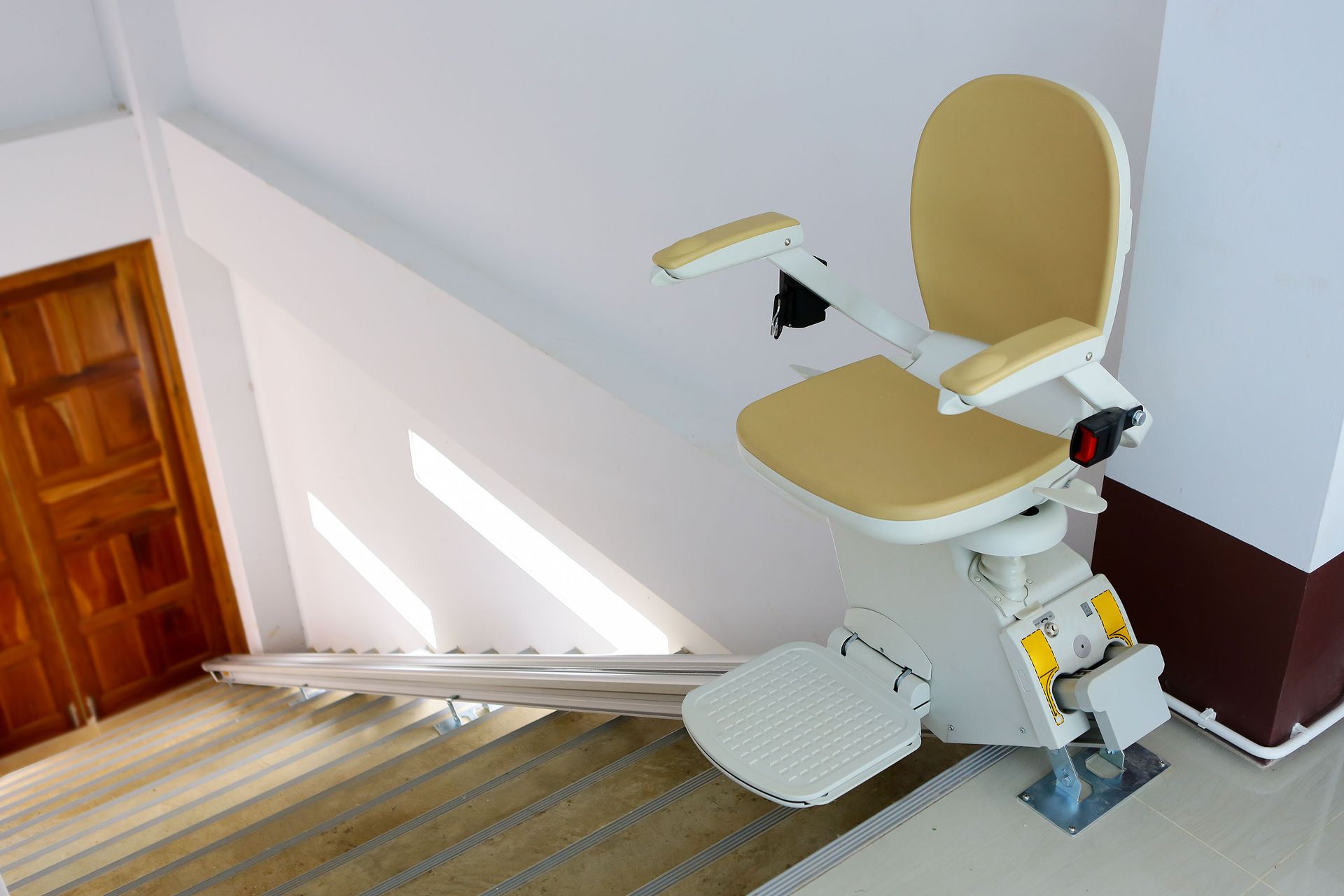
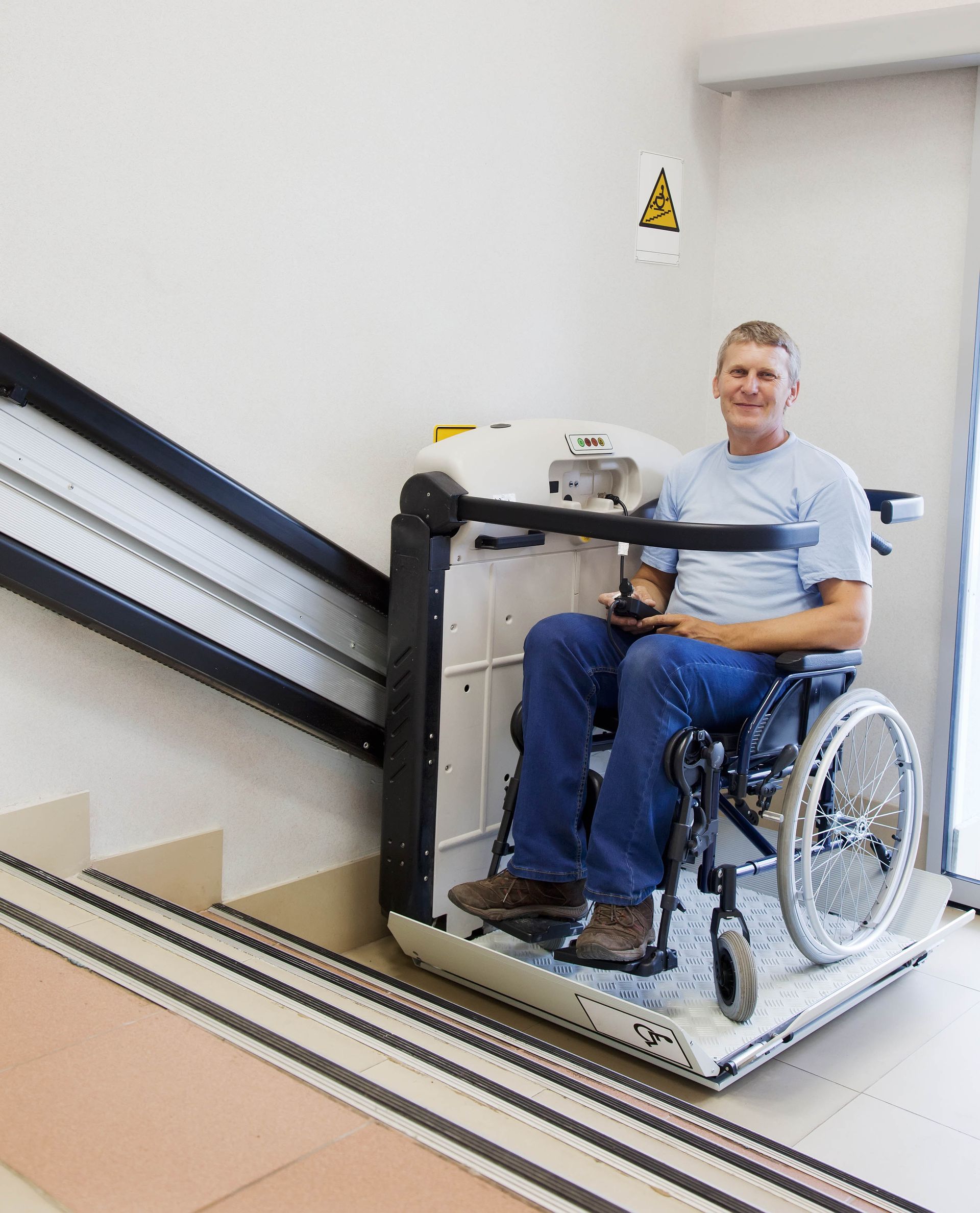
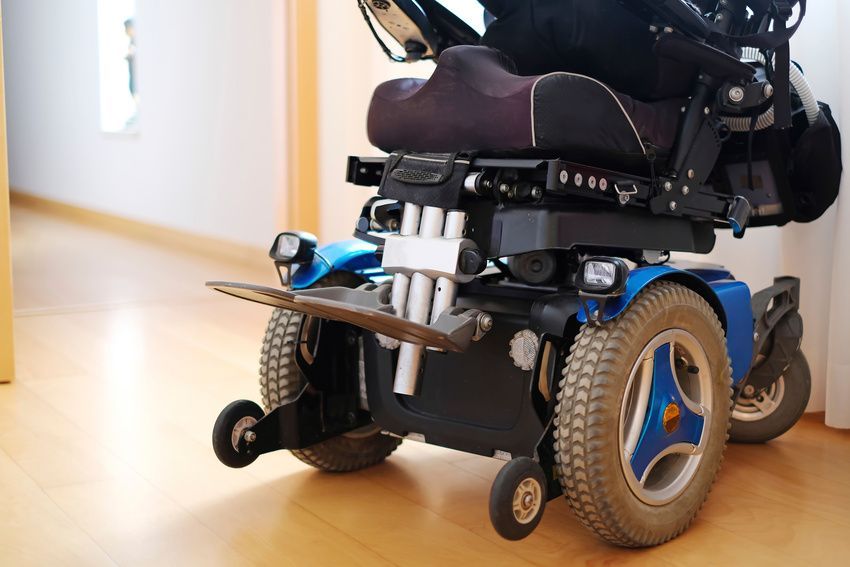
A medical equipment supplier connects healthcare organizations with the products they need to perform clinical and operational tasks. Depending on the supplier, its inventory may include diagnostic equipment, patient monitoring devices, mobility products, examination equipment, treatment supplies, and equipment intended for home-based care.
This makes the supplier an important part of the healthcare supply chain. Rather than requiring every facility to identify and source individual products from numerous manufacturers, a medical equipment supplier can provide access to multiple categories of equipment through one purchasing relationship.
Suppliers may also help healthcare organizations determine which products are appropriate for their particular environments. A physician's office, rehabilitation center, nursing facility, and hospital may have very different equipment requirements. Understanding those differences can help organizations purchase products that fit their patient populations, available space, workflows, and clinical objectives.
Inventory availability is another important consideration. If a frequently used piece of equipment becomes unavailable, staff may need to change established workflows or delay certain activities. Consistent supply relationships can help reduce those disruptions and make routine operations more predictable.
How Do Medical Equipment Suppliers Impact Healthcare Efficiency?
Healthcare efficiency depends partly on having the necessary equipment available without creating unnecessary purchasing, storage, or administrative burdens. A medical equipment supplier can contribute to this process by helping facilities consolidate purchases and establish more consistent procurement practices.
For example, a facility that regularly needs examination equipment, monitoring devices, mobility products, or replacement components may benefit from working with a supplier familiar with its recurring requirements. Instead of repeatedly searching for individual products, purchasing teams can develop established ordering processes and inventory strategies.
Suppliers can also help healthcare organizations adapt as care moves beyond traditional clinical settings. According to The Insight Partners, physical medical suppliers are experiencing a significant change in inventory demand, with greater emphasis on portable equipment intended for use in homes. Products such as advanced blood-pressure measurement devices and mobile wound-care supplies are becoming increasingly relevant alongside traditional equipment such as hospital beds.
This shift matters because healthcare delivery is no longer limited to hospitals and large medical facilities. Home healthcare, outpatient treatment, rehabilitation, and remote monitoring can all require equipment that is portable, practical, and appropriate for different environments.
A medical equipment supplier that understands these changing requirements can help organizations adjust their inventory accordingly. The result can be a more flexible supply chain that supports different models of patient care.
What Are the Critical Criteria for Choosing a Medical Equipment Supplier?
Selecting a supplier requires more than comparing product prices. Healthcare organizations should consider product selection, availability, service, communication, delivery capabilities, and the supplier's ability to accommodate changing needs.
Product quality should be one of the first considerations. Equipment used in healthcare settings must be appropriate for its intended application and meet applicable regulatory requirements. The FDA regulates medical devices in the United States and maintains requirements involving areas such as registration, device listing, labeling, reporting, and quality systems.
Reliability is also important. A supplier that routinely has products available can help facilities avoid interruptions caused by unexpected shortages. Purchasing teams may want to ask about typical lead times, inventory levels, back-order procedures, and alternatives when a particular product is unavailable.
Customer service can matter just as much. Healthcare personnel may need assistance selecting equipment, understanding product specifications, placing recurring orders, or addressing an issue with a shipment. Responsive communication can make these processes considerably easier.
Facilities should also consider whether a medical equipment supplier can grow alongside their needs. A supplier that offers only a narrow selection may become less useful if an organization expands its services or begins supporting additional types of patients.
How Do Medical Equipment Suppliers Ensure Equipment Reliability and Safety?
Reliable equipment is fundamental to clinical operations. A malfunctioning or poorly maintained device can interfere with workflows and potentially create risks for patients and healthcare professionals.
A medical equipment supplier can contribute to reliability by sourcing products from established manufacturers, providing appropriate product information, and offering access to maintenance or service resources when those services are available. Suppliers may also help customers identify replacement equipment when existing products reach the end of their useful service life.
Maintenance is particularly important for equipment that is used repeatedly over extended periods. The FDA notes that proper maintenance, repair, and servicing are important for maintaining the safe, effective, and reliable performance of medical devices.
Healthcare organizations should therefore consider what happens after equipment is purchased. Warranty support, replacement parts, technical assistance, maintenance programs, and clear documentation can all contribute to the long-term value of a purchase.
A medical equipment supplier may also help customers understand product specifications and intended uses. This can be particularly valuable when an organization is considering unfamiliar technology or replacing older equipment with a newer model.
What Innovations Are Medical Equipment Suppliers Bringing to the Healthcare Sector?
Medical equipment continues to evolve as healthcare organizations seek more efficient ways to monitor, diagnose, treat, and support patients. Suppliers are consequently responding to demand for equipment that is more portable, connected, user-friendly, and adaptable to different care environments.
One notable trend is the growing availability of equipment designed for use outside traditional hospital settings. Portable monitoring devices and home-care equipment can allow certain aspects of treatment and monitoring to take place in residential environments.
Digital connectivity is another important development. Some modern devices can collect, display, or transmit patient information electronically, potentially supporting communication between patients and healthcare professionals. The FDA's medical-device resources now include areas covering digital health, wireless medical devices, mobile medical applications, interoperability, and artificial intelligence and machine learning in software-based medical devices.
For healthcare organizations, these developments create both opportunities and purchasing considerations. New technology may improve convenience or efficiency, but organizations still need to consider compatibility, training, maintenance, security, and the practical needs of staff and patients.
A forward-looking medical equipment supplier can help organizations understand available options and determine which innovations make sense for their particular operations rather than simply encouraging purchases based on novelty.
A medical equipment supplier can serve as an important link between healthcare organizations and the equipment required for daily clinical and operational activities. By providing access to appropriate products, supporting inventory needs, assisting with equipment selection, and offering resources for maintenance and replacement, suppliers can contribute to more consistent healthcare operations.
The changing nature of healthcare makes this role increasingly significant. As more services move into outpatient and home settings, suppliers must respond to demand for portable and adaptable equipment while continuing to support traditional clinical environments.
Ultimately, choosing the right supplier involves looking beyond individual products. Healthcare organizations should consider reliability, availability, product quality, customer support, service capabilities, and the supplier's ability to adapt as their needs change. With the right partnership, a medical equipment supplier can help healthcare facilities maintain the resources their professionals need while supporting efficient, dependable patient care. If you're looking for quality medical equipment, reach out to Med X Change LLC today!