By Chris Mayes
March 16, 2026
As our population ages and people encounter mobility challenges, the necessity for accessibility solutions becomes increasingly apparent. Navigating the stairs in a multilevel home can present risks and difficulties for the elderly or those with health issues. Stair lifts emerge as a compelling solution, promising to maintain both independence and safety for users. These devices serve as an essential tool that bridges the gap between limited mobility and a fulfilling lifestyle at home. By exploring their advantages, stair lifts showcase significant benefits in terms of accessibility and overall quality of life.
1. Understanding the Basics of Stair Lifts
A
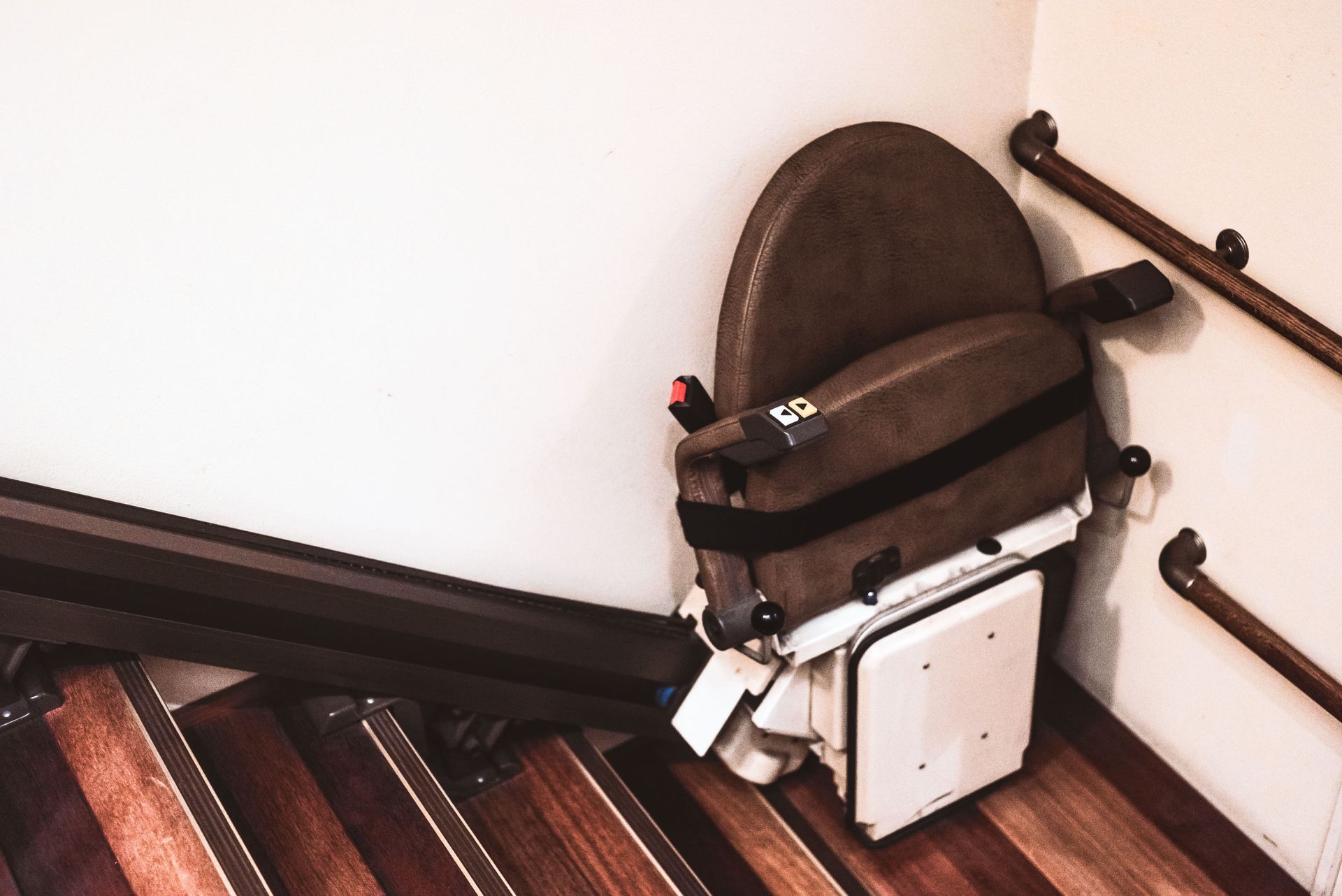
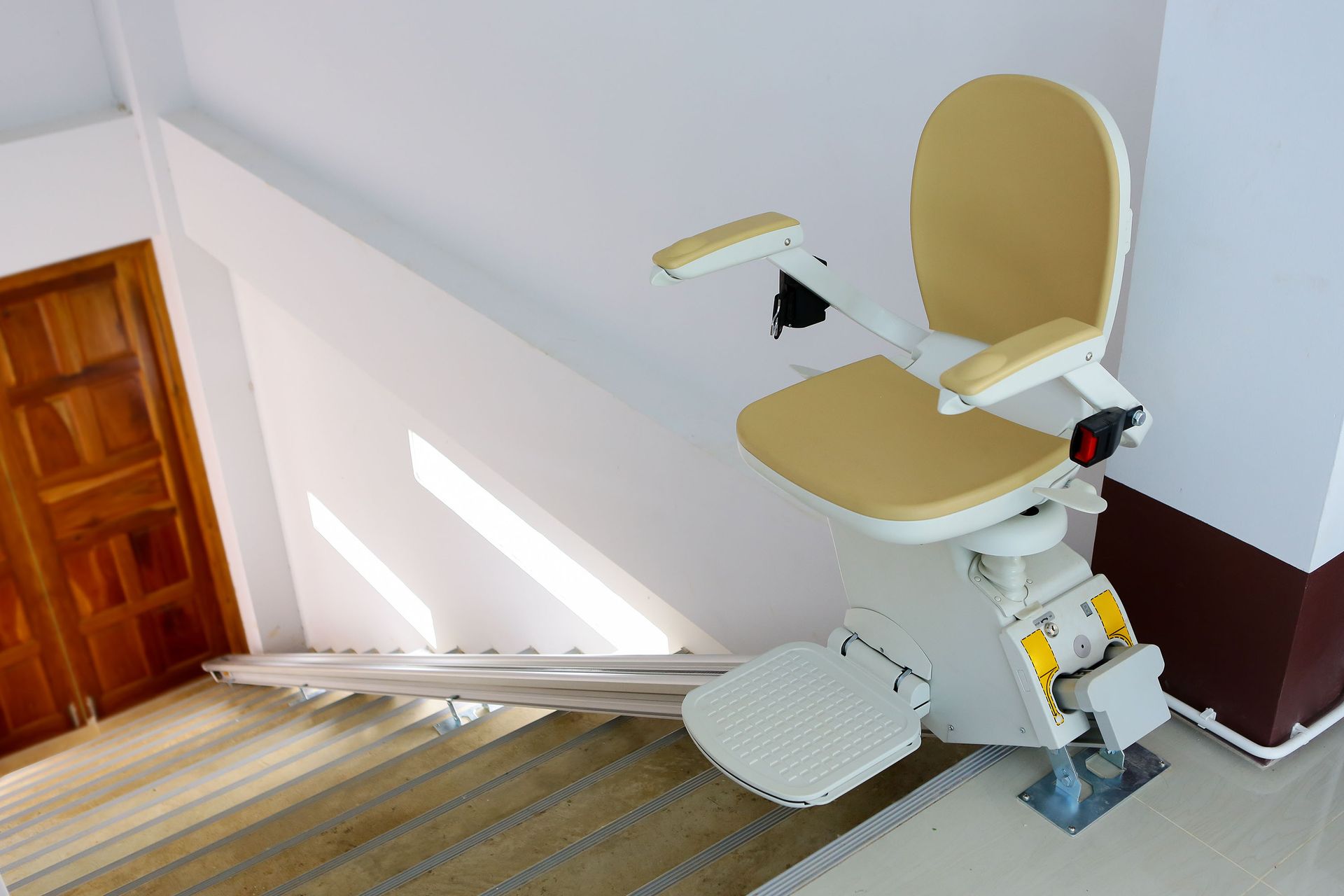
stair lift is a mechanical device installed on the staircase to transport individuals up and down the stairs with ease. Generally, it consists of a seat, armrests, and footrests mounted on a rail, moving smoothly along the staircase. Often powered by electricity, stair lifts are designed to cater to both straight and curved staircases, ensuring universal accessibility. With advancements in technology, modern stair lifts incorporate features for enhanced safety, such as seat belts and sensors to detect obstacles. Besides providing physical assistance, stair lifts offer emotional reassurance, allowing users to navigate their homes confidently.
Various types of stair lifts are available to accommodate different staircase designs and user needs. The most common types include straight, curved, and outdoor stair lifts, each tailored for specific staircase configurations. Straight stair lifts are designed for staircases without landings or bends, making them preferable for straightforward installation. Curved stair lifts are custom-built to fit around corners and spiral designs, ensuring seamless movement across complex staircases. Outdoor stair lifts are weather-resistant and ideal for exterior staircases exposed to environmental elements.
Stair lifts operate through a system of gears and motors powered by electricity or a rechargeable battery. Utilizing a switch or joystick on the armrest, users can control their movement along the rail, either ascending or descending the staircase. The rail serves as a guiding track, with safety sensors that can detect objects in the path of the lift, halting the device to prevent accidents. Typically, stair lifts are installed with backup power options to ensure functionality during power outages. This safety feature is crucial for maintaining the reliability of the device and user peace of mind.
2. Recognizing the Signs You Need a Stair Lift
Struggling to climb the stairs is often one of the first indicators that a stair lift might be necessary. Individuals may experience shortness of breath, increased fatigue, or joint pain after using the stairs, which can signify declining mobility. Installing a stair lift can serve as a proactive measure, preventing potential accidents or injuries from falls. The device minimizes the physical effort required to move between floors, offering a practical solution to mobility issues. By addressing these challenges early, individuals can maintain their independence and continue enjoying access to their entire home.
Health conditions such as arthritis, muscle weakness, or balance disorders can significantly affect one's ability to navigate stairs. If mobility changes occur suddenly due to health complications or surgery, a stair lift can offer critical support during recovery or long-term management of an ongoing condition. Consulting with healthcare professionals to address mobility limitations is crucial for determining the assistance needed. Stair lifts can alleviate some of the mobility challenges associated with chronic health conditions, enabling patients to focus on their health without concern over stair-related limitations. Proactively installing mobility aids can prevent unexpected onsets of difficulty, demonstrating a commitment to safety and well-being.
Studies show that falls are a leading cause of injury among older adults, often resulting in fractures or hospitalization. For individuals with a history of falls or balance issues, stair lifts provide a vital safeguard against further incidents. By eliminating the potential hazard of navigating stairs unassisted, stair lifts enhance home safety. They offer peace of mind to both users and their families, who might otherwise worry about the risk of injury. Investing in stair lift solutions proactively can mitigate safety concerns and boost confidence, promoting a safer home environment.
3. Assessing the Environment and Home Layout
Understanding the specific staircase configuration is crucial in determining the appropriate type of stair lift for installation. Homes with straight staircases present less complex requirements, while those with curved or spiral stairs necessitate customized solutions. It is vital to conduct a comprehensive assessment of the staircase layout, taking into account aspects such as dimensions, turns, and landings. Stair lift manufacturers often provide tailored solutions, designing rails specifically to match the home's unique layout. Professional evaluations are recommended to ensure the selected stair lift model aligns with the spatial constraints and ensures optimal performance.
Installing a stair lift requires assessing the available space to accommodate the device without impeding regular use of the stairs by other household members. Ensuring minimal impact on the existing stairway should be a priority while planning for installation. The compact design of modern stair lifts allows them to fit within most standard staircases, reducing any potential obstruction to foot traffic. Considering additional features, such as foldable seats and footrests, can further optimize space efficiency. Compliance with building codes and regulations is also necessary to facilitate a safe and streamlined installation process.
4. Evaluating Financial Considerations
The cost of stair lifts can vary substantially based on factors such as model type, structural requirements, and customization needs. On average, prices for stair lifts start around a few thousand dollars, potentially increasing for complex installations or advanced features. It is crucial to weigh the cost against the benefits of enhanced safety, independence, and quality of life. Considering the cost as an investment in safety and accessibility encourages thoughtful budget planning. Engaging with suppliers to obtain comprehensive cost estimates and explore financing options can streamline the purchasing process.
Various payment options are available to manage the cost of stair lifts, including outright purchase, installment plans, and leasing arrangements. Some insurance policies and healthcare programs offer coverage or subsidies for mobility aids, reducing out-of-pocket expenses. It is worthwhile to explore potential coverage under Medicare, Medicaid, or long-term care insurance if applicable. Consulting with insurers or financial advisors can clarify coverage eligibility and determine the most viable payment strategy. Effective financial planning ensures the stair lift's affordability while maximizing available resources and support.
5. Exploring Additional Benefits of Stair Lifts
Stair lifts are instrumental in empowering individuals with mobility challenges to maintain independence within their homes. By facilitating unhindered movement between floors, users can access all areas of the house, retaining control over their daily activities and routines. This enhanced autonomy promotes a sense of dignity and self-sufficiency, critical for psychological well-being. For family members, witnessing the newfound freedom of loved ones provides emotional relief and satisfaction. The assurance that users possess the capacity to navigate their homes independently fosters a supportive and harmonious living environment.
With falls identified as a prominent risk factor for injury among the elderly, stair lifts offer a definitive solution to improve safety. Their design mitigates the physical strain associated with stair navigation, significantly reducing the likelihood of accidents. Additionally, features like safety belts and automatic stop sensors enhance user security, promoting a feeling of safety within the home. By preventing potentially hazardous situations, stair lifts reassure family members, caregivers, and users alike. These safety enhancements ultimately contribute to decreased healthcare costs associated with injury prevention, further adding to the stair lift's overall value.
Stair lifts offer a practical and effective way to improve safety, accessibility, and independence for individuals facing mobility challenges. By making it easier to move between levels of a home, these devices help reduce the risk of falls while allowing users to maintain their daily routines with greater confidence. From understanding the different types available to evaluating installation and financial considerations, choosing the right stair lift can make a meaningful difference in overall quality of life. In fact, the growing demand for these mobility solutions reflects their importance—according to Fact.MR, the global stair lift market is projected to reach a value of $3.13 billion by 2034. With the right solution in place, homeowners and their families can enjoy greater peace of mind while creating a more accessible and supportive living environment. For more information about stair lifts, contact Med X Change LLC today.