February 19, 2026
Making informed decisions about home accessibility is no longer a niche consideration; it is a strategic investment in safety, independence, and long-term livability. As more homeowners seek solutions that allow them to age in place or accommodate changing mobility needs, stair lifts have become an increasingly critical component of residential planning. Selecting the right system requires a clear understanding of your home's structure, your mobility requirements, and the long-term value of the investment. This guide is designed to help you navigate that decision-making process with confidence and clarity.
Understanding Why Stair Lifts Are a Strategic Home Investment
Stairs are often one of the most significant barriers to mobility within a home. What was once a minor inconvenience can evolve into a daily risk, affecting safety, independence, and overall quality of life. Stair lifts directly address this challenge by transforming staircases into accessible pathways rather than obstacles. From a strategic perspective, installing stair lifts allows homeowners to remain in their preferred living environment while reducing the likelihood of falls or injuries that can lead to costly medical interventions.
Beyond personal safety, stair lifts also contribute to broader household efficiency. They enable seamless access between floors, reduce reliance on caregivers, and support a proactive approach to mobility planning. As demand continues to grow, the market reflects this shift. According to Grand View Research, North America accounted for approximately 34.8% of the global stair lifts and climbing devices market revenue in 2023, underscoring its significant market share. This data highlights how mainstream and essential these solutions have become within residential settings.
Evaluating Your Home's Staircase Configuration
Before selecting a stair lift, it is essential to assess the physical characteristics of your staircase. Not all staircases are built the same, and understanding their layout is a foundational step in choosing the right system. Straight staircases, which run without curves or landings, typically require simpler configurations. Curved or multi-level staircases, on the other hand, demand customized solutions designed to follow the unique contours of the stairs.
In addition to shape, width and structural integrity play a critical role. Adequate clearance ensures that the stair lift can operate smoothly without obstructing foot traffic for other household members. Power source availability and wall placement also factor into the overall feasibility. A professional evaluation helps align the technical requirements of stair lifts with the realities of your home's architecture, ensuring both performance and compliance.
Comparing the Types of Stair Lifts Available
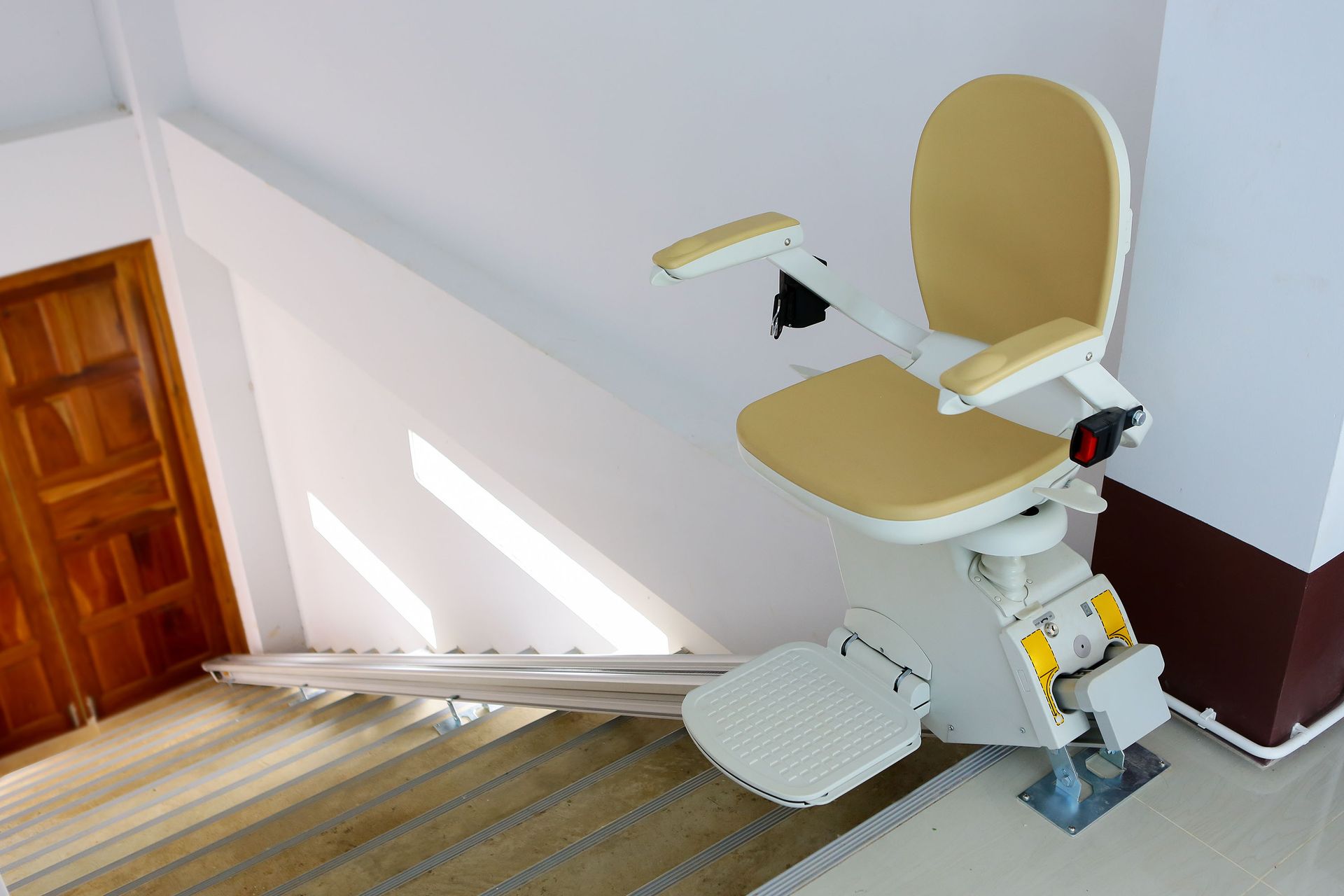
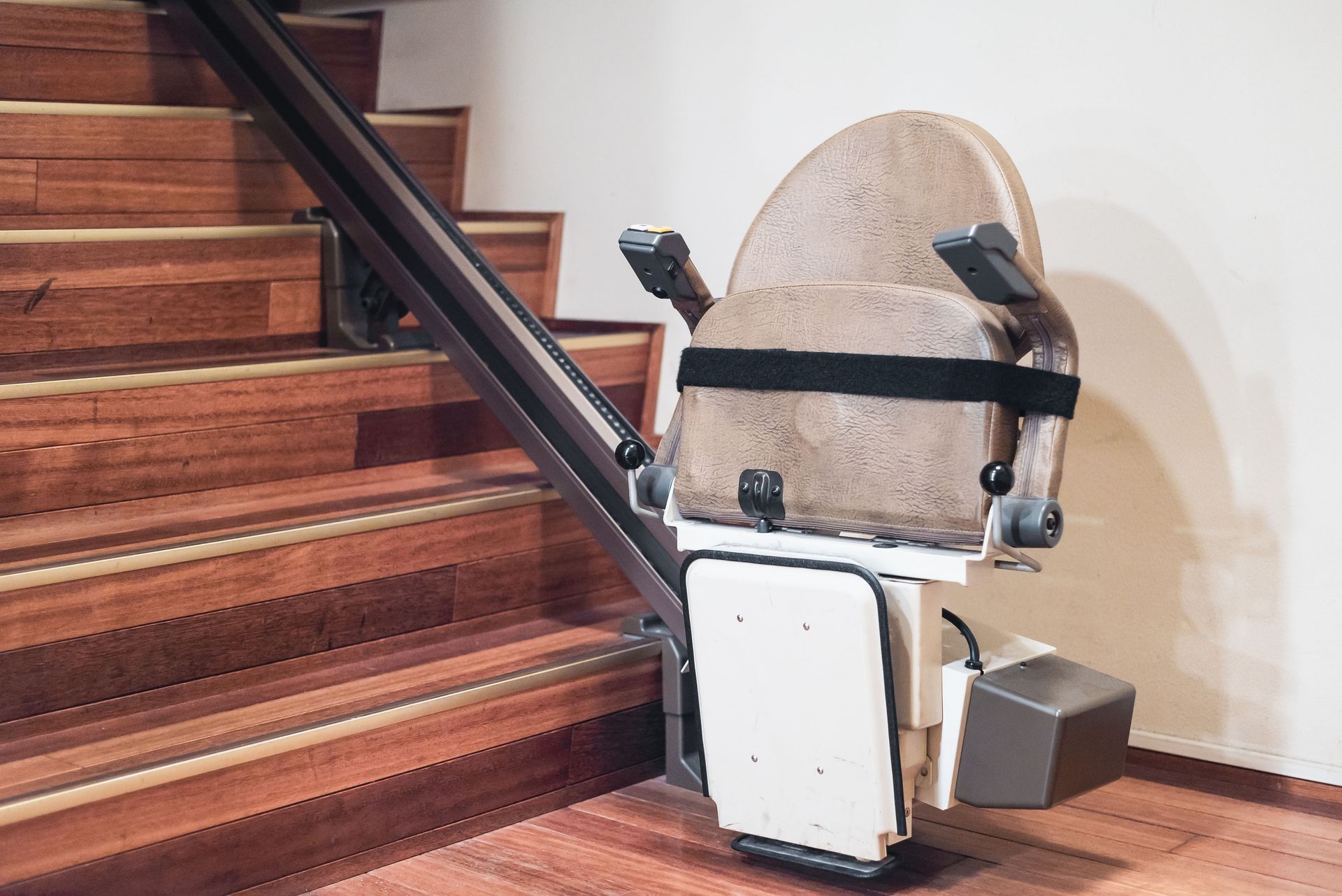
Understanding the different categories of stair lifts allows homeowners to align functionality with individual mobility needs. Seated stair lifts are the most common option and are designed for individuals who can sit comfortably and transfer safely onto the chair. These systems prioritize ease of use and ergonomic support while maintaining a compact footprint.
Standing or perch-style stair lifts serve individuals who may have difficulty bending their knees or sitting for extended periods. These designs provide a supportive platform while keeping the user upright during transit. Outdoor stair lifts, built with weather-resistant materials, extend accessibility beyond the interior of the home, addressing entryways, porches, or exterior staircases. Each type serves a specific use case, reinforcing the importance of matching product selection to real-world requirements.
Assessing User Needs and Lifestyle Considerations
Choosing the right stair lift extends beyond physical dimensions and into lifestyle alignment. User mobility levels, balance, strength, and comfort preferences all influence the ideal solution. Some individuals prioritize ease of transfer and cushioned seating, while others may value compact designs that minimize visual impact. Controls, such as joystick or button operation, should be intuitive and responsive to ensure consistent use.
Future-proofing is another critical consideration. Mobility needs often evolve over time, and selecting stair lifts with adaptable features or higher weight capacities can extend the lifespan of the investment. By anticipating future requirements, homeowners can avoid unnecessary replacements and ensure continuity of use.
Understanding Safety Features and Compliance Standards
Safety is a core value proposition of stair lifts, and modern systems are engineered with multiple safeguards. Seat belts, obstruction sensors, and smooth start-and-stop mechanisms are designed to protect users throughout operation. Locking swivel seats enhance stability during transfers, while call-and-send controls allow the lift to be positioned conveniently.
Equally important is compliance with industry standards and local regulations. Certified installation and adherence to safety codes ensure that stair lifts perform as intended and meet regulatory expectations. Partnering with experienced providers reinforces accountability and minimizes risk, aligning the installation process with best practices.
Analyzing Cost, Value, and Long-Term Return
From a financial perspective, stair lifts represent a meaningful investment, but one that delivers measurable returns. Initial costs vary based on staircase complexity, customization, and feature selection. While budget considerations are valid, value should be evaluated holistically rather than solely on upfront pricing.
Stair lifts can reduce long-term healthcare expenses by lowering fall risk and delaying or preventing the need for assisted living arrangements. They also enhance property usability, which may positively influence resale value for buyers seeking accessible homes. When viewed through a total cost of ownership lens, stair lifts often demonstrate strong long-term value.
Selecting a Professional Installation and Service Partner
The effectiveness of stair lifts is directly tied to the quality of installation and ongoing support. Professional installation ensures precise alignment, secure mounting, and optimal system performance. Experienced providers conduct thorough assessments, recommend appropriate solutions, and manage the process from consultation through completion.
Ongoing service and maintenance further protect the investment. Reliable partners offer routine inspections, responsive support, and clear warranty coverage. This continuity reinforces operational reliability and user confidence, ensuring that stair lifts remain dependable over time.
Planning for Maintenance and Long-Term Performance
Like any mechanical system, stair lifts benefit from proactive maintenance. Regular servicing helps identify wear, maintain smooth operation, and extend system lifespan. Understanding maintenance requirements upfront allows homeowners to plan accordingly and avoid unexpected disruptions.
Battery-operated stair lifts, in particular, require periodic battery replacement to ensure uninterrupted use during power outages. Clear communication with service providers regarding maintenance schedules and responsibilities supports consistent performance and reduces downtime.
Aligning Accessibility Solutions With Future Living Goals
Choosing stair lifts is not merely a response to an immediate challenge; it is a strategic decision that aligns with broader living goals. Whether the objective is aging in place, accommodating a family member, or enhancing overall home accessibility, stair lifts serve as a scalable solution that adapts to changing needs.
By approaching the selection process with a long-term mindset, homeowners can integrate stair lifts seamlessly into their living environment. This alignment supports independence, safety, and peace of mind while reinforcing the home as a sustainable and inclusive space.
Selecting the right stair lift for your home requires careful evaluation, informed planning, and trusted partnerships. By understanding your staircase, assessing user needs, prioritizing safety, and evaluating long-term value, you can make a confident, well-informed decision. Stair lifts are more than mobility devices; they are strategic enhancements that empower individuals and future-proof homes.
With the right approach and professional guidance, stair lifts can transform daily living, reduce risk, and support independence for years to come. This investment is not just about moving between floors; it is about elevating quality of life through thoughtful, forward-looking accessibility solutions. If you're looking for stair lifts for your home, contact Med X Change LLC today.