May 26, 2026
Mobility limitations affect millions of people across the country, influencing everything from daily errands to social participation and personal independence. For many individuals, maintaining the ability to move comfortably through their communities becomes increasingly difficult due to aging, injury, chronic conditions, or balance concerns. Access to reliable mobility support can make a meaningful difference in how people experience everyday life and remain connected to the activities they value most.
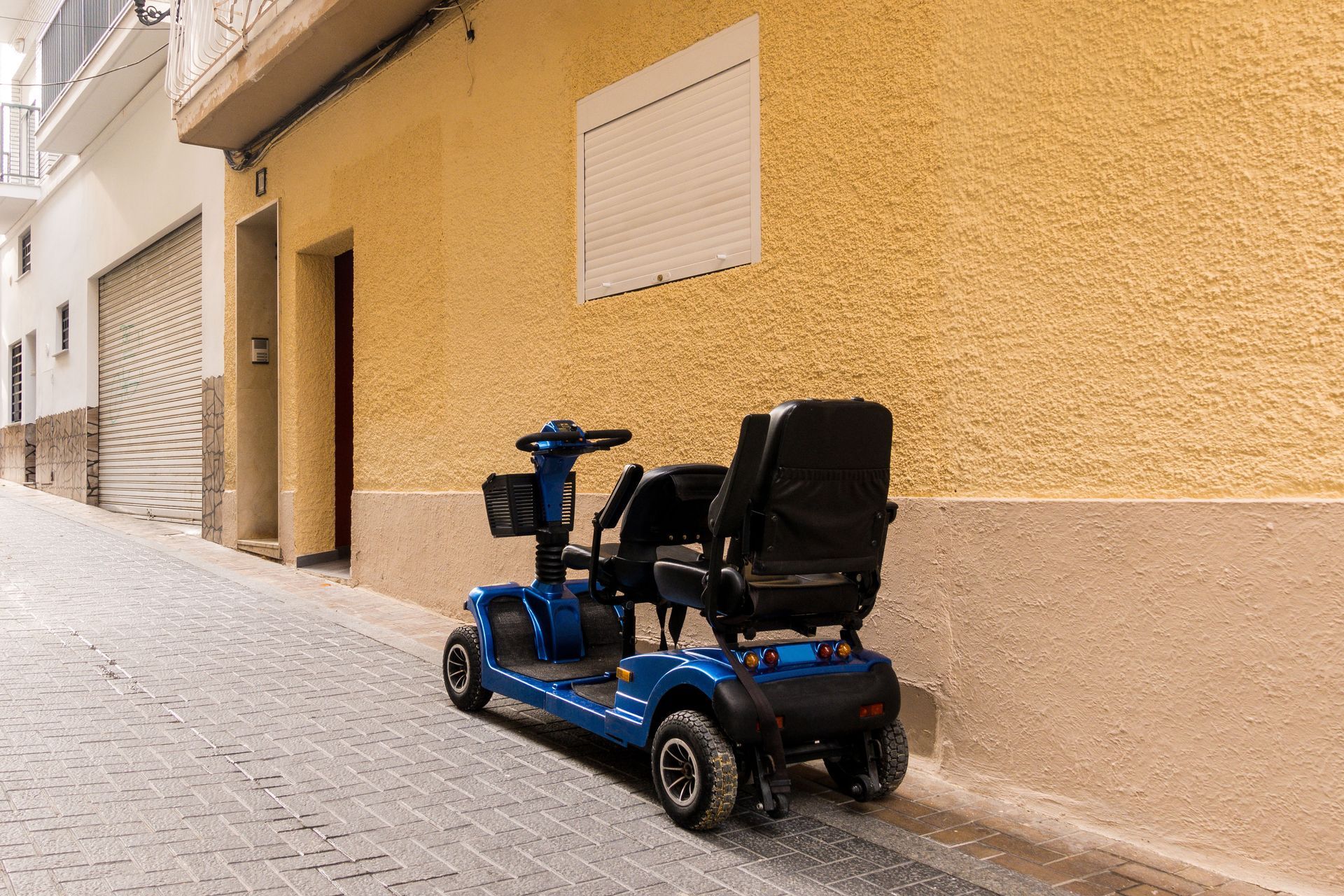
A well-chosen mobility scooter provides more than transportation assistance. It can help individuals maintain confidence, preserve routines, and continue participating in community life with greater ease. As communities continue emphasizing accessibility and inclusion, dependable mobility solutions have become an essential part of supporting long-term independence and quality of life.
Supporting Independence in Everyday Life
Helping Individuals Maintain Daily Routines
Many people begin experiencing mobility challenges gradually. Walking through grocery stores, attending appointments, or participating in family activities may start to feel exhausting or physically demanding. Over time, these difficulties can lead individuals to limit outings and depend more heavily on family members or caregivers for transportation and support. Access to reliable mobility assistance helps reduce these barriers and allows people to continue managing their responsibilities with greater confidence.
A mobility scooter can help individuals preserve independence during routine activities that might otherwise become difficult or stressful. Tasks such as shopping, visiting local parks, attending religious services, or participating in community gatherings become more manageable when physical fatigue is reduced. This increased accessibility supports a greater sense of autonomy and allows individuals to remain engaged in their personal and social lives.
Maintaining independence also contributes to emotional well-being. People often experience frustration or discouragement when mobility limitations prevent them from participating in activities they once enjoyed. Having access to dependable equipment can restore confidence and encourage individuals to remain active within their communities instead of withdrawing from social interaction or daily routines.
Reducing Physical Strain and Fatigue
Physical exhaustion is one of the most common challenges associated with limited mobility. Even short distances may require significant effort for individuals dealing with joint pain, balance issues, or reduced endurance. Activities that once seemed simple can become physically draining, increasing discomfort throughout the day and limiting participation in important tasks or events.
Using a mobility scooter can help conserve energy while reducing unnecessary physical strain. Instead of overexerting themselves during routine errands or social outings, individuals can move comfortably and safely through different environments. This support often allows users to extend their participation in activities without feeling overwhelmed by fatigue afterward.
Reducing physical strain also benefits caregivers and family members. When individuals have dependable mobility assistance, friends and family members may not need to provide as much direct physical support during outings or appointments. This creates a more balanced dynamic that promotes independence while easing caregiver responsibilities. Families often appreciate knowing their loved ones can navigate public spaces more comfortably and safely.
Encouraging Greater Community Participation
Community involvement plays an important role in maintaining emotional health and personal fulfillment. Unfortunately, mobility limitations can create obstacles that discourage people from attending events, visiting friends, or participating in recreational activities. Over time, this reduced participation may contribute to feelings of isolation and disconnection.
Accessible mobility support encourages individuals to remain socially engaged. Attending local events, enjoying outdoor spaces, or participating in family gatherings becomes more realistic when transportation within those settings feels manageable. A mobility scooter can help remove some of the uncertainty associated with navigating crowded or expansive public areas, allowing users to participate more comfortably.
Communities also benefit when accessibility is prioritized. Inclusive environments help ensure that people of varying physical abilities can continue contributing to social, recreational, and civic activities. Providing access to mobility support allows individuals to remain visible and active within their neighborhoods rather than feeling excluded by physical limitations.
Improving Safety and Long-Term Comfort
Supporting Stability During Movement
Balance concerns and physical instability can significantly increase the risk of falls, particularly for older adults or individuals managing medical conditions that affect coordination or strength. Fear of falling may cause some people to avoid leaving home altogether, limiting both independence and social interaction. Reliable mobility assistance can help address these concerns by providing greater stability during movement.
A mobility scooter offers a secure seating arrangement and consistent support while traveling through indoor and outdoor environments. This added stability can help users feel more confident navigating sidewalks, parking lots, stores, and other public spaces. Individuals who previously struggled with prolonged walking or uneven surfaces may experience greater comfort and reassurance while completing everyday tasks.
Improved stability also supports long-term physical well-being. Repeated strain from walking despite pain or instability can contribute to worsening discomfort over time. Having access to dependable mobility equipment allows individuals to reduce excessive physical stress while still maintaining active participation in daily life.
Making Adaptation Easier Through Professional Guidance
Choosing mobility equipment involves more than selecting a product. Individuals often benefit from professional guidance that helps them understand how to operate equipment safely and identify options suited to their lifestyles and physical needs. Assessment and training services can play a major role in helping users adapt comfortably and confidently.
According to PubMed studies, 92.2% of assistive-device users report satisfaction with their equipment, while 88.4% value the training and evaluation support provided through medical supply providers, which helps improve safe adaptation. This highlights the importance of working with experienced professionals who can guide individuals through the selection and adjustment process.
Professional support may include evaluating mobility challenges, discussing daily activity needs, and reviewing comfort features or maneuverability considerations. Individuals who receive personalized assistance are often better prepared to use their equipment safely and effectively. Ongoing support and maintenance guidance can also help users maintain confidence in their equipment over time.
Promoting Consistent Access to Public Spaces
Accessibility remains an important factor in helping individuals maintain active lifestyles. Public spaces, shopping centers, medical facilities, and recreational areas become much easier to navigate when reliable mobility support is available. Without proper assistance, some individuals may avoid these environments due to concerns about exhaustion, discomfort, or safety.
A mobility scooter can help users move through larger public areas more comfortably and with less physical effort. This allows individuals to continue participating in errands, appointments, and recreational activities that contribute to the overall quality of life. Reliable mobility support also encourages greater consistency in attending medical visits and maintaining important routines.
Consistent community access benefits emotional and mental health as well. Individuals who can continue participating in public life often experience a stronger sense of connection and personal confidence. Remaining engaged with familiar activities and social settings can positively influence mood, motivation, and overall well-being.
Mobility support plays a vital role in helping individuals maintain independence, safety, and active participation within their communities. Accessible equipment and personalized guidance allow people to continue engaging in daily routines, social activities, and public life with greater comfort and confidence. As communities continue recognizing the importance of accessibility and inclusion, dependable mobility solutions remain an essential resource for improving quality of life and supporting long-term independence.
Access to dependable mobility support can also help individuals maintain a stronger sense of dignity and self-sufficiency as their physical needs change over time. Rather than limiting participation in favorite activities or relying entirely on others for assistance, many people are able to continue enjoying everyday experiences with greater confidence and comfort. For reliable mobility scooter access your community can rely on, reach out to Med X Change LLC!